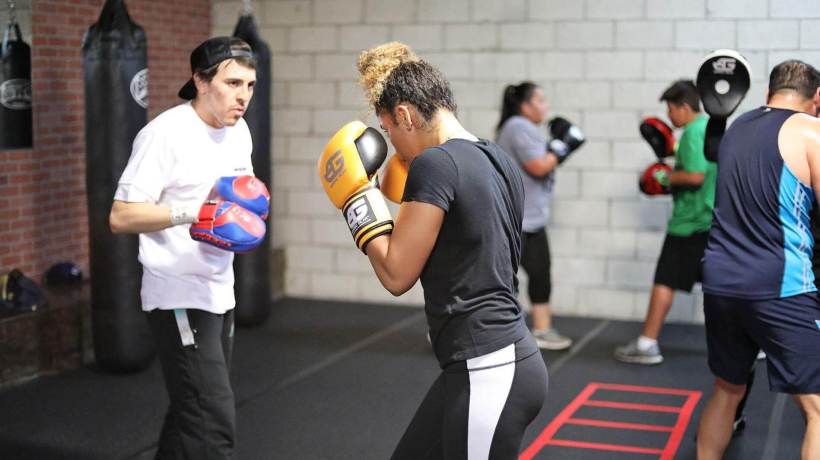
Once it’s time to compete, whether in the gym or in a tournament, you’re bound to get into trouble at any time. It is common for people to begin to doubt themselves in a first great defeat. You will begin to wonder if boxing really is for you. Or maybe you feel like you’ve reached a plateau and can not improve. Here are some essential boxing punching guides to help you to overcome the mental challenges.
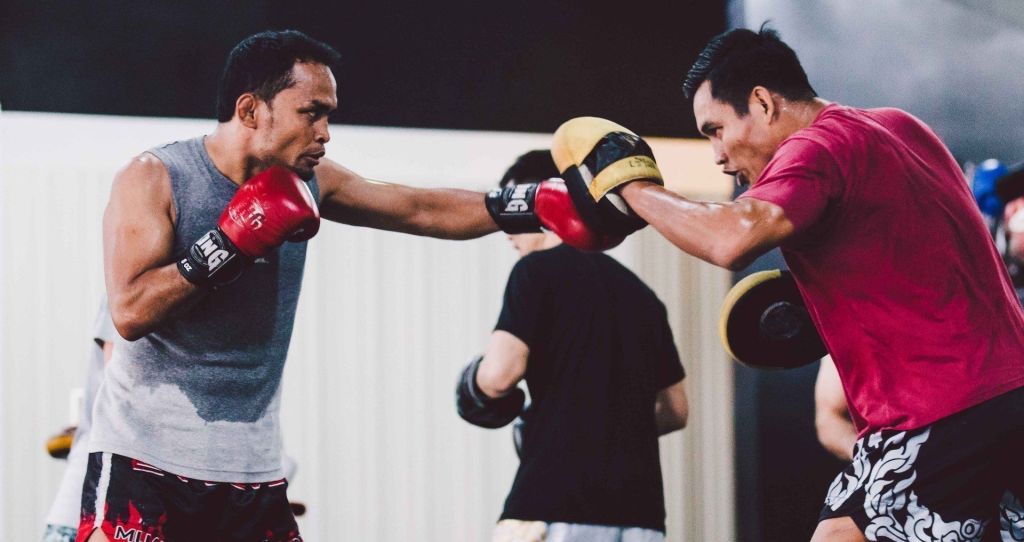
Boxing Styles
A lot of people ask me:
1.) What is the best style for boxing?
2.) How can I fight like Mike Tyson?
3.) What style should I use to fight boxing?
Okay, listen, this is hard to explain, but I’ll do my best. The business is as follows, there really are no such things as “fighting style” or even “the best style”. The only style that really matters is YOUR NATURAL STYLE. Which means that you should make things the most natural and easy for you. In fact, you do not even have to think about style. Just keep improving your technique, training and strategy in boxing over time – and your “style” will be a result of that. What matters is that you win, not as you seem.
And the best choice is the one with which you are most comfortable. A tall guy might find it easier to fight out loud. A low guy may find it easier to fight low. Mike Tyson fights as he fights because it’s the easiest way for him. He throws heavy blows because he is already a strong guy, he did not need extra effort to BE strong.
Muhammad Ali dances around the ring because he has a great leg work. If you want to do that, you have to do your leg work to the point where it’s easy. Otherwise, trying to be Ali when you do not have your skills or physical conditioning will just be loss of energy. All the best fighters you see have their own styles because they have found the easiest way for THEMSELVES to succeed. And you will have to find the EASIEST (and not the fastest) way for YOU to succeed.
Of course, this does not mean that your style will never change. This is absurd. Your physical and mental abilities will change over time and with that your style. Your style will continue to evolve as new moves and new approaches to fighting become more natural to you. But this will only happen if you focus on yourself rather than trying to copy other people. It is good to find inspiration in other people, BUT FOCUS ON YOURSELF!
Sparring
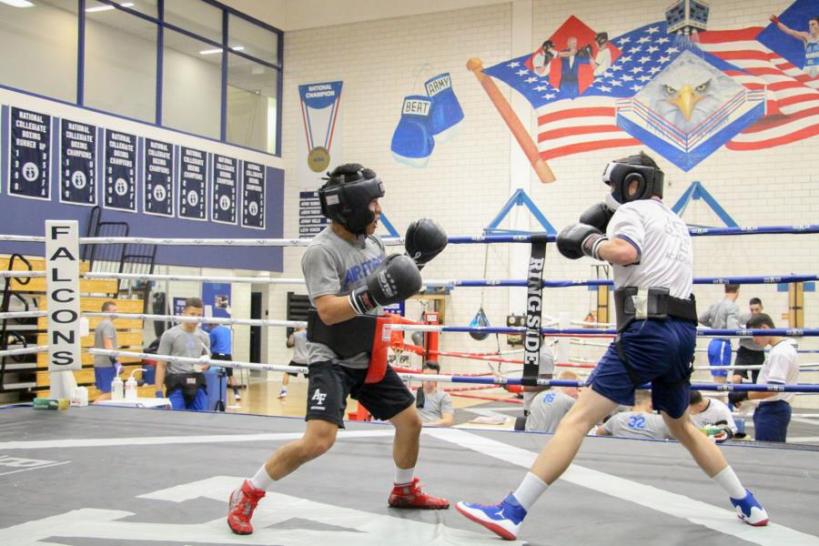
I really hope you know what you’re doing or at least be training with someone who knows what you’re doing. Sparring can quickly become a dangerous thing for untrained people. There are lots of fun videos on YouTube with people doing backyard fights … and then when you do it, the worst happens – you break your nose, or you have a bruise, injury or even die. These things really do happen. Go slow and train until you reach maximum speed, this is the only sure way to learn something.
Exercises For Sparring
It is important that you train and evolve until you have contact with a complete sparring partner, especially if you are a beginner without help. Take it easy, slow down. If you’re hurting, it’s because you’re going too fast. If one of you is retreating, it is because you are going too fast. I recommend first getting a shadow fight between you (mime, non-contact), then start with jabs before you cast all the blows possible. It’s also a great idea to fight two-minute rounds early on. If getting tired fast does not mean you’re bad, it’s a natural thing that happens to many fighters, especially if they’re not accustomed to fighting pressure.
Sparring Tips
- Wear safety equipment (mouth guard, head protector, etc.).
- Fight with someone who will help you LEARN how to fight better (and not just hit you).
- Do not fight anyone who is TRYING to hurt you (wait until you are more trained).
- You owe nothing to your instructor, do not let him force you into dangerous situations.
- HANDS UP, LOOK AT YOUR OPPONENT, BREATHE.
- Do not cast more than 3-5 strokes at a time.
- You will ALWAYS get tired, you better get tired beating than defending.

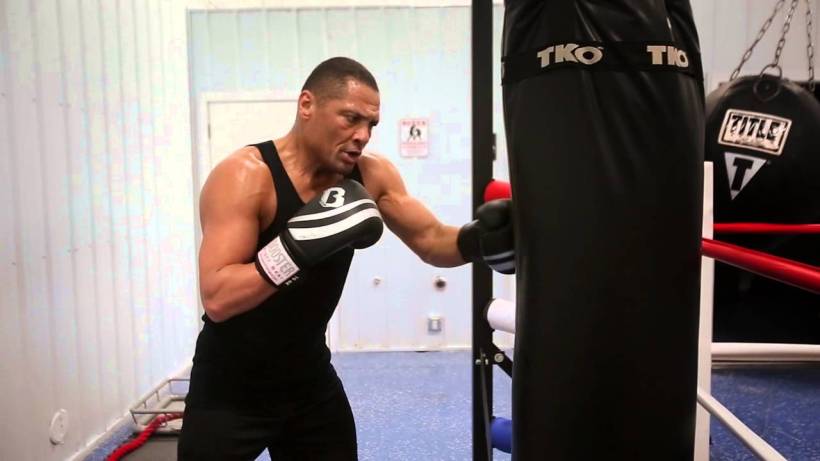
 Boxing Training